top of page
shutterstock_580580401.jpg

ABOUT ECZEMA

Managing Eczema

Practical strategies and advice to help soothe flare-ups, avoid triggers, and take control of your eczema.

Managing eczema can feel like an ongoing battle, affecting not just your skin, but your daily life and overall well-being. The constant need to soothe flare-ups and avoid triggers can be frustrating and exhausting.

​

We’re here to help make that journey a little easier. On this page, you’ll find practical tips and advice to manage your eczema day-to-day, understand your triggers, and discover treatments that work for you. With the right approach and support, you can take steps toward healthier, more comfortable skin.

Diagnosing Eczema

Managing eczema
Managing-Eczema-Eczema-Association-of-Australasia.jpg

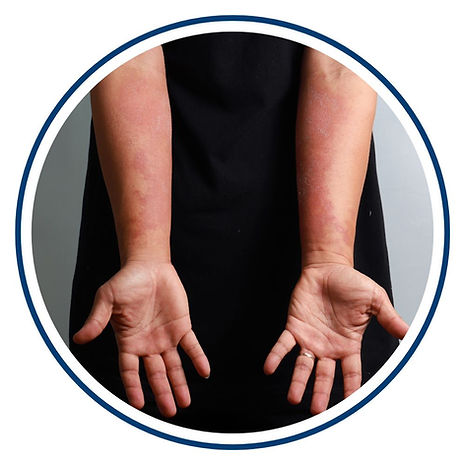
Diagnosing eczema can be frustrating, as it presents differently in each person. Many people go through trial and error before getting a clear diagnosis. If you’ve been dealing with persistent skin issues, it’s important to seek guidance from a healthcare professional. Here are some common methods used to diagnose eczema: Here are some common methods used to diagnose eczema:

  • Medical history review – Your doctor will discuss your personal and family history of eczema, allergies, or other related conditions.

  • Symptom evaluation – A detailed assessment of your symptoms, including when flare-ups occur and what triggers them.

  • Physical examination – A visual inspection of your skin for common signs of eczema, such as redness, dryness, or inflammation.

  • Allergy testing – Tests to identify any allergens that could be triggering or worsening your eczema symptoms.

  •  Patch testing – A method to determine if specific substances cause skin reactions, which may contribute to your eczema.

  • Skin biopsy – A small sample of skin is taken to rule out other skin conditions and confirm a diagnosis of eczema.

While the journey to an eczema diagnosis can feel frustrating and overwhelming, getting the right diagnosis is an essential step in managing your condition and finding relief.

Different Eczema Treatments

Daily Skin Care

A consistent daily skin care routine can help keep eczema-prone skin hydrated, support the skin barrier and reduce exposure to potential irritants. Use a gentle, soap-free cleanser with moisturising ingredients and a balanced pH, as regular soaps can strip the skin of natural oils and contribute to dryness and sensitivity.

​

Apply moisturiser regularly, particularly after bathing or showering, to help lock in moisture and protect the skin. Moisturisers are available as ointments, creams, lotions, gels, sprays and oils. The best option will depend on your skin’s needs, your lifestyle and what feels comfortable to use each day. Ointments may suit very dry skin, while lighter creams, lotions or sprays can be convenient for daytime use.

EANZ TransBG

The Eczema Association of New Zealand is committed to supporting those affected by eczema with resources, education, and support. Our mission is to empower individuals with eczema to lead healthier and more comfortable lives.

  • Instagram
  • Facebook
  • TikTok
  • Youtube
  • LinkedIn

help@eczema.org.nz

0800 300 182

Registered Charity: CC53042

© 2026 by The Eczema Association of New Zealand

All information provided by the Eczema Association is to give practical insights and help with eczema and its management for patients and the wider community.

​

Patch testing is always recommended before trying any new products. This information is not intended to constitute or replace medical advice, and is provided for general information purposes only. For medical advice, please always consult your health professional. Furthermore, it is not the policy of the Eczema Association to recommend or endorse any specific product, brand or treatment.

bottom of page