Fragrance-Free Living with Eczema: A Practical Guide
Fragrance-free living with eczema can be a practical way to reduce exposure to potential irritants and allergens in everyday life. Fragrance can be found in everything from skincare and haircare to laundry detergents, cleaning products, air fresheners and candles.
For some people living with eczema, fragranced products can contribute to itching, redness, dryness or discomfort. Because eczema-prone skin has a more vulnerable skin barrier, being mindful of the products that come into contact with your skin can be an important part of managing potential triggers.
The good news is that fragrance-free living does not mean replacing everything in your home overnight. Small, practical changes can help you identify what works for your skin and gradually reduce unnecessary fragrance exposure.
Why can fragrance be a problem for eczema-prone skin?
Fragrance is used in many personal care and household products to create or mask a scent.
On an ingredient list, you may see terms such as “fragrance” or “parfum”. Fragrances can contain numerous individual fragrance ingredients, and some people can develop irritation or allergic contact dermatitis in response to particular fragrance chemicals.
Importantly, fragrance is not a trigger for everyone with eczema. Eczema triggers vary considerably from person to person, so it can be helpful to pay attention to how your own skin responds to different products.
Fragrance-free vs unscented: what is the difference?
When shopping for eczema-prone or sensitive skin, fragrance-free and unscented do not necessarily mean the same thing.
A product labelled fragrance-free is generally the better option when you are trying to avoid fragrance.
Products described as unscented may still contain ingredients designed to mask or neutralise the natural smell of the formulation. This means a product can have little or no noticeable smell while still containing fragrance-related ingredients.
When possible, look specifically for products labelled fragrance-free and check the ingredient list.
Start with your skincare and personal care products
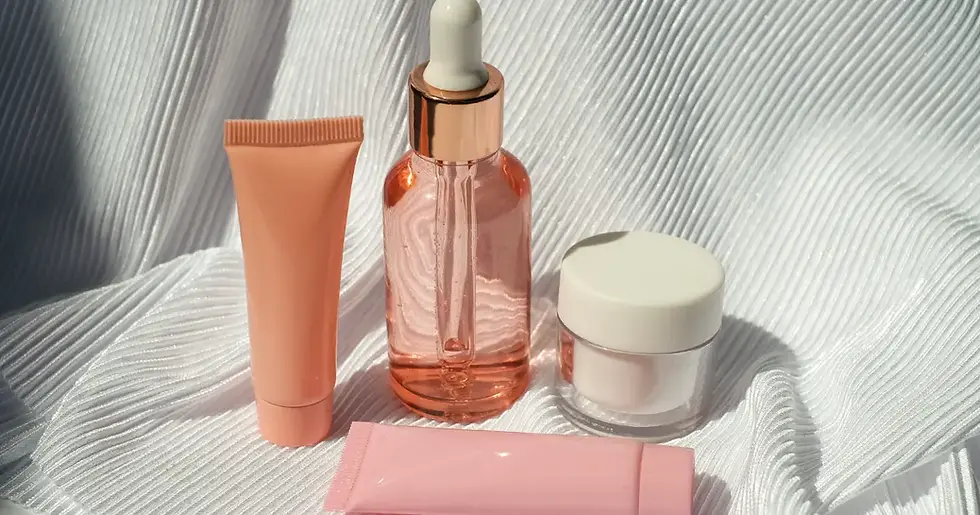
One of the simplest places to begin fragrance-free living with eczema is with the products that are applied directly to your skin.
Consider checking your:
Moisturiser
Facial cleanser
Body wash
Shampoo and conditioner
Hand wash
Sunscreen
Deodorant
Makeup and other cosmetics
Look for gentle, fragrance-free formulations that are suitable for sensitive or eczema-prone skin.
You do not necessarily need to change every product at once. If you are unsure which product may be contributing to irritation, introducing changes gradually can make it easier to notice how your skin responds.
Be cautious with “natural” fragrances and essential oils
Natural does not automatically mean suitable for eczema-prone skin.
Botanical extracts and essential oils may provide fragrance even when a product is marketed as natural or plant-based. Some essential oils and their components are recognised causes of allergic contact dermatitis in susceptible people.
If fragrance appears to aggravate your eczema, it may therefore be helpful to consider fragranced essential oils in the same way you would other scented ingredients.
Make your laundry routine fragrance-free
Laundry products are particularly worth considering because clothing, towels, pyjamas and bedding can remain in contact with your skin for many hours.
Dermatologists commonly recommend using a fragrance-free laundry detergent for eczema-prone skin.
You may also want to consider:
Choosing a fragrance-free detergent designed for sensitive skin
Avoiding strongly fragranced fabric softeners
Avoiding scented dryer sheets
Using the recommended amount of detergent
Making sure clothes and bedding are thoroughly rinsed
If you are caring for a child with eczema, the same approach can be applied to their clothing, bedding, towels and sleepwear.

Look beyond skincare to household cleaning products
Fragrance is also common in household cleaning products, including:
Multi-purpose cleaners
Floor cleaners
Dishwashing products
Bathroom cleaners
Disinfectants
Furniture and fabric sprays
If you notice that cleaning products leave your skin feeling irritated, dry or uncomfortable, consider switching to a fragrance-free or lower-irritant alternative.
Wearing suitable protective gloves when cleaning may also help reduce direct contact between cleaning products and eczema-prone hands.
Consider fragrance in the air
Air fresheners, room sprays, plug-in fragrances, scented candles and diffusers can all add fragrance to the indoor environment.
Not everyone with eczema will react to these products. However, if you notice itching, discomfort or other symptoms around particular scented products, reducing or removing them may be worth trying.
Simple alternatives include opening windows when appropriate and focusing on ventilation rather than adding fragrance to the room.
What about perfume and other people's fragrance?
Avoiding fragrance can become more difficult once you leave home.
Perfume, aftershave, fragranced hand products and scented environments at work, school, public venues or other people's homes may all increase your exposure.
It is not always realistic or necessary to avoid every fragrance. Instead, try to recognise situations that consistently appear to aggravate your symptoms.
Keeping an eczema diary can be useful if you are trying to identify patterns. Record changes in your skin alongside new skincare products, laundry products, cleaning products and other possible environmental exposures.
A simple fragrance-free checklist
If you want to start reducing fragrance exposure, begin with the products you use most often.
In the bathroom:
Choose fragrance-free cleansers, moisturisers and personal care products where possible.
In the laundry:
Switch to fragrance-free detergent and reconsider scented fabric softeners or dryer sheets.
Around the home:
Look at cleaning sprays, surface cleaners and other frequently used household products.
In the air:
Consider whether candles, diffusers, plug-ins or room sprays appear to affect you.
When shopping:
Look for “fragrance-free” rather than relying on words such as “unscented”, “natural” or “botanical”.
Make changes gradually
Fragrance-free living with eczema is not about creating a perfectly fragrance-free environment.
It is about reducing unnecessary exposure and learning what works for you or the person with eczema you care for.
Start with the products that have the greatest contact with the skin, such as moisturisers, cleansers, laundry detergent and bedding. From there, you can gradually review other products around your home.
Because eczema triggers vary between individuals, a fragrance-free routine should form part of a broader eczema management approach rather than replacing prescribed treatments or advice from your healthcare professional.
If your eczema continues to flare, becomes difficult to manage, or you suspect you may have a contact allergy to fragrance, speak with your GP or dermatologist for individual advice.
Learn more about managing eczema
Understanding your individual triggers and choosing products carefully can make everyday eczema management feel more manageable.
Explore more information and practical resources from the Eczema Association New Zealand, including guidance on choosing skincare products, eczema-friendly household cleaning products and managing eczema day to day.