
Safe Scratch Plan
Here are some tips that you may want to incorporate into your “safe scratch” plan:
Be mindful of scratching. Have a plan to stop before you are out of control. Sometimes scratching becomes a habit, so be mindful!
Have a STOP pose. “Mine is pulling my hands off my body in the ‘prayer’ position. Then I count to 60 to see if I can stop scratching for 60 seconds. Usually if I can refrain for 60 seconds, I have won,” Palace comments. “Sit on your hands until you feel more in control of the scratching or cross your arms across your body and tuck your hands under your armpits.”
Realise the more you scratch, the more you itch. Scratching releases histamine, which causes itch. This is why you can start by scratching an itch on your ankle, then end up “chasing the itch” all over your body.
Have an anti-scratch mantra, like “Be gentle!” or “This will pass. I am healing. This will pass.” Palace suggests, “I would chant – sometimes internally, sometimes aloud – ‘This is my body healing. Nerves and blood vessels are healing. I am getting healthy, smooth skin.’ I did this in my STOP pose.”
Be kind to yourself, a loving voice to your inner child. When you are scratching say to yourself, “Gentle, gentle, gentle”.
Keep fingernails clean, trimmed short, and filed smooth.
Wearing cotton gloves to bed may help limit the damage done by scratching in your sleep. There are many websites for eczema patients that sell clothing products and accessories made of 100% natural fibres, including gloves. Some find that wrapping their arms and legs at night can help reduce sleep scratching.
Have a scratch tool, something that is soft, clean, and does NOT break the skin. One option is a soft, rubber comb. Another option is a therapressure brush, or a surgical scrub brush.
Temperature changes can help – put ice or an icepack on the itchy spot, take a cool bath, rinse your hands in cool water, or place a cold wash rag on the itchy spot. Some people find that heat from a warm bath or a hot water bottle can help in the same way.
If moisturiser makes your skin feel better, apply to the area. If moisturiser does not provide relief, or is irritating, do not apply.
You will shed flakes of skin throughout the healing process. Be careful that you don’t start a ‘scratch fest’ while buffing off old skin.
Have a “wellness buddy,” someone that you can promise you will not scratch or pick beyond what is reasonable. Then report to them. Having a partner or roommate as your ‘wellness buddy’ can be helpful because they can help you calm down when you are in the middle of a scratch fest.
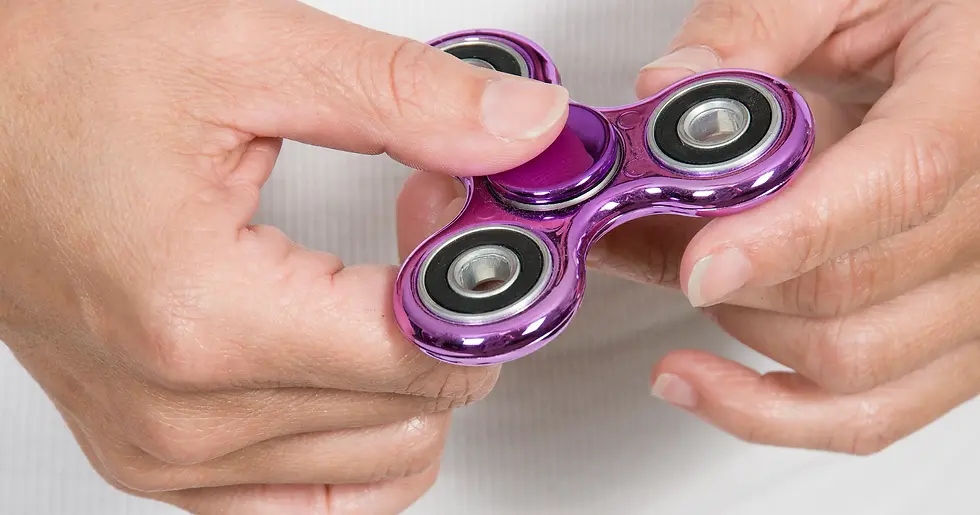
Distract yourself. Play a video game, type up an email, squeeze a stress ball or play with playdough. Do something that keeps your hands busy.
Antihistamines can help with the itch. Zyrtec, and Benadryl can be prescribed at a higher-than-usual dose, if needed. Check with your doctor.
Some find baths to be helpful and comforting. Just be careful baths are not too hot. Heat can feel comforting at first, but increased blood flow to the skin can induce burning and itching.


